Ooo, Spanish and Portuguese is a great idea! (I’ve also been a victim of that lmao)
I’ll add that one next :3
(And Finnish/Estonian ofc)
Ooo, Spanish and Portuguese is a great idea! (I’ve also been a victim of that lmao)
I’ll add that one next :3
(And Finnish/Estonian ofc)
Thanks, this will be helpful :)
I can say that Spanish only has “´” on top of syllables, and only to the right. (E. g., “á” exists, but not “à”) Another difference is that Spanish only has one letter called “eñe” (ñ), which has a squiggly line on top, while Portuguese has more, and only in vowels. Portugal also uses “^”, while Spanish doesn’t.
It is important to know that in Galicia, Spain, a language called Galician is spoken, which is practically a dialect of Portuguese, but not in Portugal. Idk how to differentiate it from Portuguese, tho; could you also include it in the guide, Lemon?
hellooo
this guide is rlly cool
i hope to see more stuff added to ittt
Welcome to the community @Lime_Dog
Wait a dang minute…
Are you my opposite!?
Lmaooo
If it’s on Google Translate, I will try and find a way TvT
wouldnt limes and lemons be more like siblings tho
lolll
It’s more the “dog” part that makes you my opposite lollll
Catalan could also be included. I know a main difference between Spanish and Catalan is that Catalan uses “i” while Spanish uses “y” for “and”, but nothing past that.
In fact, Catalan is closer to French than Spanish since it has Occitan roots.
Whereas Spanish is part of the Ibero-Romance language group
oh, I didn’t know that lwk
this is such a peak idea
I’m toying around with the idea of adding smth for differentiation between Spanish spoken in Spain vs. Southern America, but alas, I worry I do not have the willpower to do that much research 
Maybe Malay vs. Tagalog/Filipino would be useful but they are part of the same language group and are probably hard to distinguish from each other
Hindi has more pointy bits to it imo
I notice these stick figure elbow-looking things in the words. Dead giveaway for me.
Spanish and Portuguese are now added as a WIP!
I’ve only got the one distinguisher for them, but I will actively be looking for more. (They’re genuinely so similar )
I ain’t quitting yet!!
Also, if you know any noticeable differences between the two (excluding grammar or small tiny details) please let me know!
Portuguese has the tilde over the “A” which appears a lot, could be classified as a small detail but it seems pretty common to me. Portuguese also doesn’t seem to have the tilde over the “N” while Spanish does. I can usually always distinguish them from just that
I’ll give you my soul for this information
Thank you 
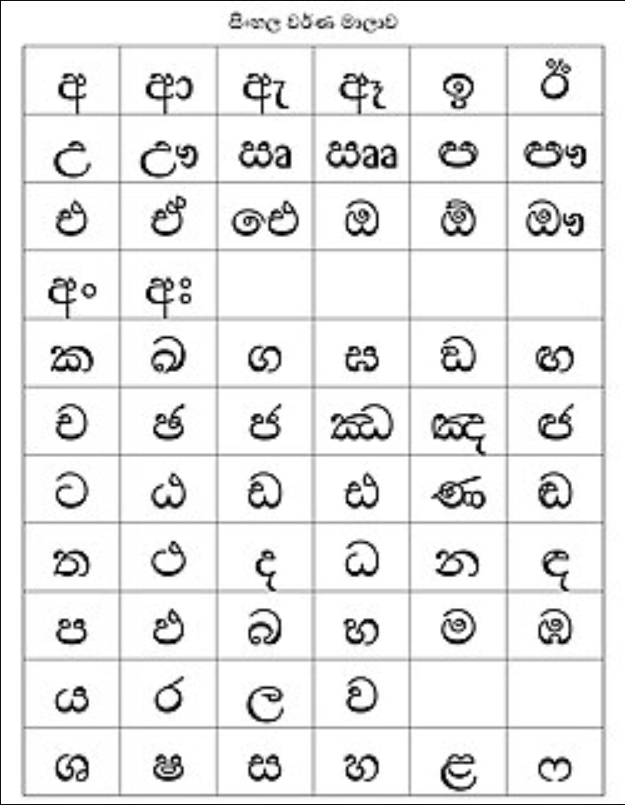
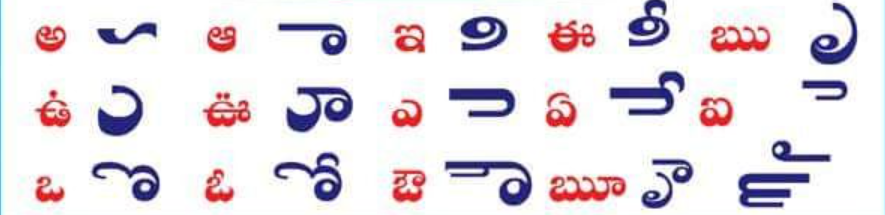
Sinhala, and Tamil are actually pretty easy to differentiate, cos Tamil is just a lot straighter.
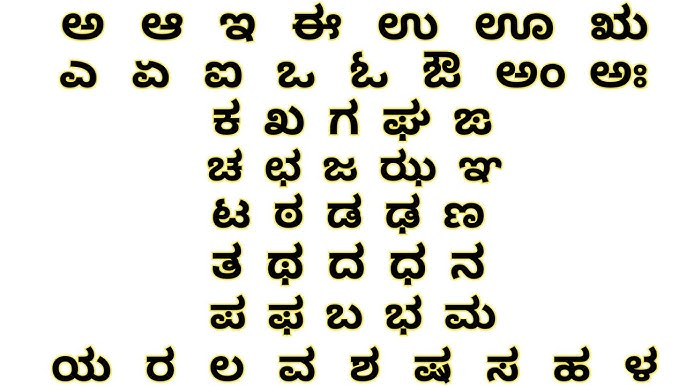
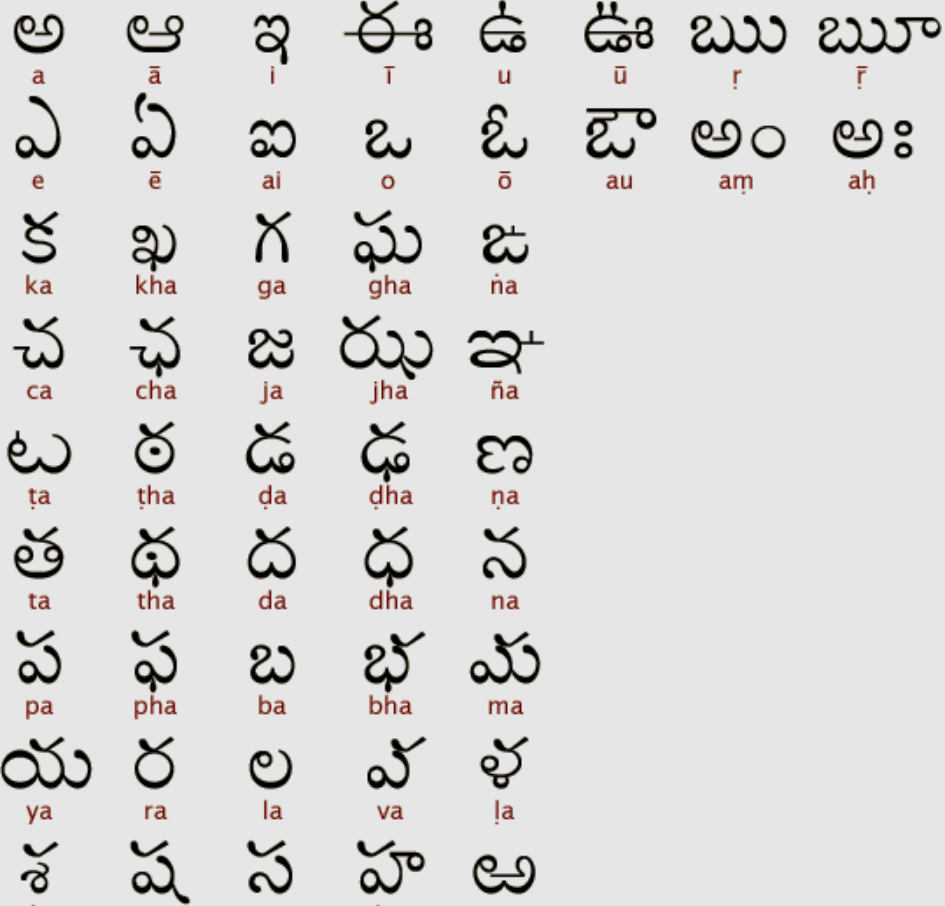
on the other hand, Sinhala, Telegu, and Kannada are much harder cos they look very similar.
As you can see, Sinhala is still differentiable but Kannada and Telugu have almost identical letters.
Learning these differences is a little hard so relying more on region specific clues would be advisable but here are some letters you can keep in mind (here small letter indicates a short/soft sound and a capital indicates a long/hard one)
Main difference
Telugu commonly has many tick marks above its letters which isn’t common in Kannada.
They look like this, and are mostly found above consonant sounds.

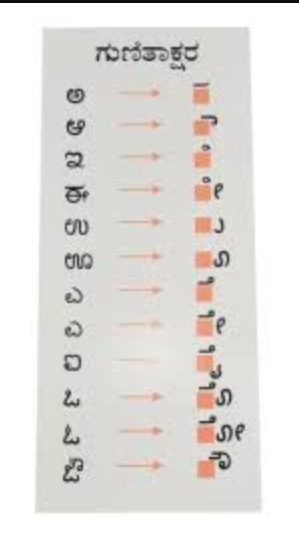
Matras (accents on letters)
you will find many accents on letters across most Indian languages. there are some visible differences between Kannada and Telugu accents.
The letters for the u and U sound

these are unique to Kannada
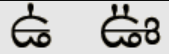
these are unique to Telugu
The ru sound
There is only one ru sound on Kannada but there are 2 forms in Telugu (hard and soft)
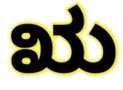
this is the Kannada ru
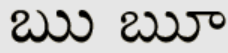
these are the Telugu ru
The ka sound

this is the ka sound in Kannada

this is the ka sound in Telugu
The cha sound
Use this tip with caution as the Kannada cha is unique but looks similar to other letters (in both languages)

There is a stack of curves on the top left corner
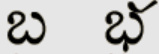
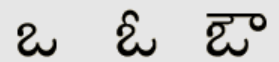
not to be confused with these symbols in Telugu.
Note that there are different styles and fonts of writing throughout India which may not look exactly as depicted but will follow similar patterns.